Scope of the Article :
This article comprehensively covers the following points
1. Concept and evolution of share buyback in India
2. Objectives and rationale behind buyback of shares
3.Legal framework governing buyback under the Companies Act, 2013
4. Detailed analysis of Section 68 and allied provisions
5. Restrictions on buyback of shares
6. Procedural compliance and regulatory requirements
Abstract
Share buyback is one of the more important tools used by corporations for the purpose of restructuring as it allows corporations to purchase back shares from existing shareholders. As a strategic financial instrument, the buyback of shares has many advantages to a corporation, including the consolidation of ownership, improvement of certain financial ratios, distribution of excess cash, and enhancement of shareholder value. In India, buybacks are primarily governed by Section 68 of the Companies Act, 2013, along with additional rules and regulations of the Securities and Exchange Board of India (SEBI) for listed companies. While buybacks provide corporations with flexibility and financial efficiency, it is important to note that statutory restrictions exist to prevent the abuse of the instrument, protect the creditors of the Corporation and provide clarity about how to execute and record such transactions. The purpose of this article is to provide a critical analysis of the BuyBack of Shares based on the restrictions placed on corporations by Section 68. This article will examine the statutory provisions placed on corporations, the procedural requirements for the execution of a BuyBack transaction, as well as existing judicial interpretation of these regulations and their implications for corporations in India through the lens of both landmark and recent case law. Additionally, this article will review the effectiveness of the regulations governing BuyBacks and discuss the compliance issues for corporations in India.
Keywords
Buyback of Shares, Section 68, Companies Act 2013, SEBI Regulations, Share Capital
Introduction:
The Buyback of shares is an important evolution that has been perceived within the framework of corporate finance. In the traditional model, once shares were issued by a business entity, they could no longer be bought back due to the principle of capital maintenance. In an attempt by businesses to adopt modern corporate behavior, such an aspect of buyback of shares has gradually gained recognition.
The provision was introduced in India by the Companies (Amendment) Act, 1999, by virtue of which Section 77A was introduced in the Companies Act, 1956. Later, the said provision was re-enacted with modifications under the Companies Act, 2013 under Section 68. The present regime strikes a balance between the autonomy of the corporate entity and the protection of investors.
Share repurchase is generally practiced as a mechanism to carve out an optimum capital structure, enhance the earnings per share, consolidate the promoter’s holdings, or distribute excess funds. However, if such repurchases are not regulated, it may result in market manipulation, deterioration of creditor interests, or financial turmoil. Thus, Section 68 prescribes the conditions for such repurchases by a company.
Meaning and Concept of Buyback of Shares
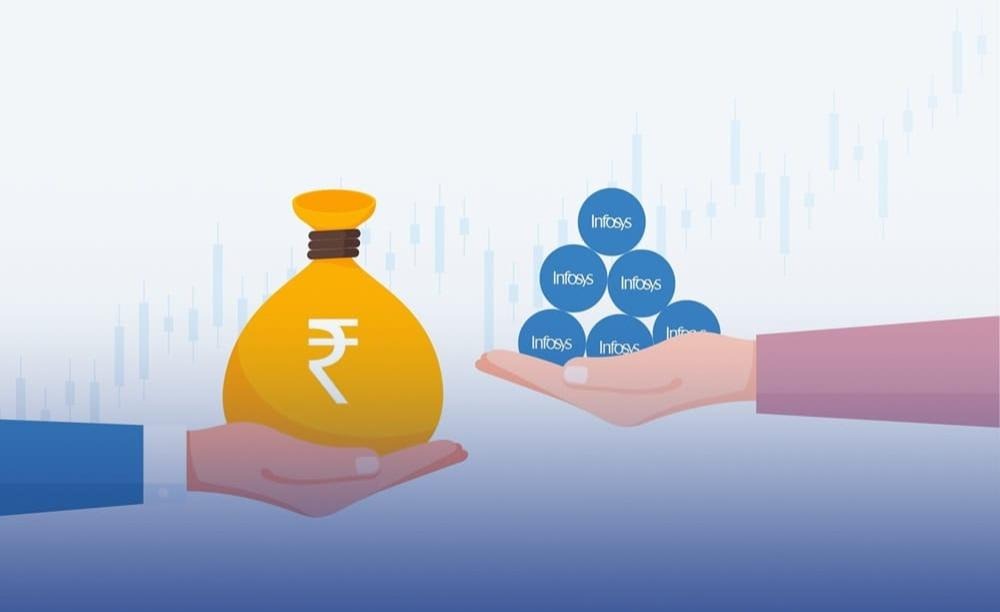
Buyback of shares means the acquisition of the company’s own shares from its existing shareholders for a predetermined price. When the company carries out a buyback, the resulting shares are cancelled and are physically dematerialized, which leads to a depletion of the company’s share capital.
Section 68(1), as provided in the Companies Act of 2013, explains that such a purchase must occur out of:
- its free reserves;
- the securities premium account; or
- the proceeds of the issue of any shares or other specified securities (other than of the same class of shares or securities).
The provision makes sure that the buyback amount will not negatively impact the financial position of the firm as well as cause any kind of prejudice to the rights of the creditors as well as minority shareholders.
Objectives of Buyback of Shares
This would involve the following principal pursuits:
Value Enhancement for Shareholders: As the number of outstanding shares decreases, this positively reflects on the income per share.
Utilization of Surplus Funds: Those companies that have surplus cash are able to distribute wealth efficiently.
Restructuring of Capital: This helps maintain the optimal debt-equity ratio.
Prevention of Hostile Takeovers :Decrease in public shareholding promotes promoter control.
Market Signaling : Indicates management’s confidence in the future prospects of the company.
Section 68: Buyback of Shares
1. Authorization by Articles of Association
A buyback can be carried out by a company only when its Articles of Association permits it to do so. Otherwise, the articles must be amended first before commencing the process.
2. Shareholders’ or Board Approval
Board Resolution: Required if the buyback is up to 10% of the total paid-up equity capital and free reserves.
Special Resolution: It is required if the buyback exceeds 10% but does not exceed 25% of the total paid-up capital and free reserves.
3. Quantum Restrictions
Section 68(2)(c) states as follows:
Buyback amount shall not exceed 25% of the aggregate of paid-up capital and free reserves.
In the case of equity shares, the buyback in a financial year shall not exceed 25% of the total paid-up equity capital.
4. Debt-Equity Ratio Constraint
Post-buyback, aggregate secured and unsecured debts owed by the company should not exceed twice the paid-up capital and free reserves (2:1 ratio) except such higher ratio as may be prescribed for specific class of companies.
5. Fully Paid-up Shares
Only fully paid-up shares or securities can be bought back. This ensures financial discipline and is to avoid giving an undue advantage to partly-paid shareholders.
6. Time Restrictions
The company cannot make further issue of the same type of shares within six months, except in the case of bonus issue or conversion of warrants.
The buyback transaction is to be completed within one year of the resolution being passed.
7. Declaration of Solvency
The solvency certificate has to be submitted to the Registrar of Companies and SEBI (in case the companies are listed), declaring that the company will remain solvent for at least one year from the date of the acquisition.
8. Cancellation of Shares
The shares that have to be bought back must be canceled and physically destroyed within a period of seven days of completing the process of buying back.
9. Prohibition on Buyback
A firm is forbidden from making any buy-back arrangement if it has defaulted in:
“repayment of deposits or interest,” redemption of debentures or preference shares,
payment of dividend, or repayment of term loans to financial institutions and banks.
Judicial Interpretations and Case Laws
SEBI v. Sterlite Industries (India) Ltd.
In SEBI v. Sterlite Industries (India) Ltd., the Supreme Court ruled that buyback of shares is a valid corporate activity if it is carried out in absolute conformity with the statutory provisions. The Court insisted on transparency and investor protection and, following the due evaluation process, maintained that regulatory oversight was necessary to ensure a check against market manipulation and fairness in buyback transactions.
Nirma Industries Ltd. v. SEBI
In the case of Nirma Industries Ltd. v. SEBI, a conflict arose as Nirma made an announcement regarding the buyback of shares when the acquisition offer had already begun. In this scenario, SEBI stepped in and declared that buybacks could hamper the decision-making processes of the shareholders. The court supported SEBI in their actions and clarified that public protection is of primary importance. The court asserted that such acquisitions cannot be resorted to by corporations in a manner that misleads the public or affects open offers in any manner whatsoever.
Clariant International Ltd. v. SEBI
The case of Clariant International Ltd. v. SEBI involved a dispute that began when Clariant made a public announcement in March 2001 regarding a proposed buy back of shares while an open offer was ongoing. SEBIs involvement in this situation was prompted by concerns that if Clariant proceeded with their buyback program at this time it may have a negative affect on shareholder decisions regarding which offer to accept and could also legitimate imbalance of fairness within the take over process itself. In order to uphold the authority of SEBI, the Court stated that regulatory oversight is necessary for the purpose of protecting investors and maintaining integrity in the capital markets. The Court ruled that regarding takeovers, corporate actions, such as an issuer’s share buyback, must not lead to the existence of asymmetric information or favourable positions in favour of the buyer. The Court’s ruling solidified the idea that when it comes to securities markets, transparency, timing of events and governing rules must exist in order to assure investor fairness and confidence.
Illustrations
Example 1:
Assuming a company had Paid-up Capital of ten crore rupees and Free Reserves of twenty crore rupees, the maximum allowable buyback will be equal to 25% of ₹30 Crore (Paid Up Capital + Free Reserve) which is 7.5 crore rupees.
Example 2:
When debt incurred after buyback exceeds the combined amount of Paid-up Capital and Free Reserves by a factor of two (i.e. double), the buyback will be invalid due to Section 68(d)(2) of the Companies Act.
Role of SEBI in Buyback of Shares
The SEBI is the principal organisation providing rules around the buyback of shares, through regulations and policies to ensure that shareholders’ rights are protected and that information about buybacks is disclosed in an appropriate manner. SEBI has identified that unregulated buybacks could lead to abuse of the buyback process through manipulation of share price, as well as a potential to influence the investment decisions of investors. To protect against the risks associated with unregulated buybacks, SEBI has developed the SEBI (Buy-Back of Securities) Regulations, 2018, which establish detailed procedural, compliance and reporting requirements for companies wishing to undertake buybacks.
SEBI has established specific methods of conducting buybacks, including the tender offer method or the open market method, with specific requirements for each method. The requirements include the required public disclosure provisions, the timelines for completing the buybacks, and a pricing mechanism to ensure that shareholders have access to the required information before making their respective investments. By establishing these procedures, SEBI ensures that all shareholders are treated equally and no one shareholder receives preferential treatment.
As part of this regulatory framework, SEBI also monitors compliance with the buyback regulations by requiring listed companies to provide periodic reports and to maintain separate escrow accounts for each buyback transaction. Companies must also comply with all post-buyback obligations imposed by SEBI. Non-compliance with any of these obligations may result in penalties and/or enforcement actions by SEBI. Additionally, SEBI reviews all public announcements related to buybacks to ensure that they do not mislead investors or artificially raise the price of the shares.
Moreover, SEBI looks after the interests of the minority stakeholders by ensuring that there is fairness in their participation, as well as by curtailing activities related to insider trading or market manipulation when the companies go for a buyback. The presence of SEBI instills greater awareness among the market players regarding the
On the whole, SEBI performs the role of a regulatory watchdog that maintains a balance between company flexibility and investor protection. Through its enforcement of transparency, accountabilty, and equitable market practices, SEBI helps to ensure that buybacks are for the sake of actual corporate purposes and that the integrity of the Indian capital market remains unaltered.
Recent developments
In the last few years, there have been many changes made to the regulatory framework governing buybacks in India, especially in terms of how investors are protected and how companies are required to disclose information about their buyback activities. The changes include a combination of legislative changes and regulatory action from the SEBI, which have enabled the introduction of new rules to improve the process of conducting buybacks, reduce the potential for abusive practices and streamline the process of performing buybacks.
A major milestone was reached with the creation of the Buy-Back of Securities Regulations 2018 (SEBI), which resulted in the consolidation of a number of the previous buyback regulatory guidelines. Previously, there were many different guidelines for the way that companies could conduct buyback transactions, which made it difficult for companies to determine their obligations under the guidelines and for investors to know what they should expect from the companies they were investing in. With the introduction of the SEBI Buy-Back of Securities Regulations 2018, companies have now been provided with a clear framework to conduct their buybacks and investors have now been given a clearer understanding of the processes involved and the rights that they are entitled to when they purchase securities.
Another trend that has developed recently is the increased use by listed companies of open market buyback transactions, which allow companies to purchase their outstanding shares from the marketplace at a price that they feel is fair and reasonable for them. Open market buyback transactions allow companies to be more flexible when it comes to the timing and pricing of their buybacks and have become very popular in the last few years, especially among large-capitalization companies that are trying to effectively manage their capital structure.
On the other hand, this shift has also motivated SEBI to strengthen its surveillance mechanism to avoid price distortion and ensure orderly market conduct.
Judicial and regulatory interpretations in the last couple of decades have strengthened the principles of equity and non-discrimination. Courts have upheld the powers of SEBI to regulate buybacks when these overlap with general market activity, especially when buybacks occur concurrently with other corporate events like open offers or takeovers.
Another factor has been technology. Digital disclosures, for example, and electronic filings have improved the access and timeliness of information to all stakeholders, thus enhancing market confidence.
What the recent developments essentially show is a maturing regulatory regime that strikes a balance between corporate flexibility and strong investor safeguards. As market dynamics keep changing, the regulators, the companies, and the investors should keep talking to one another to make sure that buyback practices are not unfair, are transparent, and are really aligned with wider economic objectives.
Conclusion
The share buyback provision under Section 68 of the Companies Act, 2013 is a well-regulated provision that helps companies regulate their capital structure while at the same time taking into account the interests of shareholders and creditors. This provision ensures that there is no misuse of buyback for undertaking market manipulations or creating an opportunity for some shareholders to get an unfair advantage through buyback. The regulation of this provision by some bodies like SEBI ensures that there is transparency and accountability within listed companies.
Judicial decisions have played a critical part in ensuring the intention and application of buyback provisions are understood. The courts underlined the need for buybacks to be undertaken in good faith and with proper consideration of the concept of fairness and compliance. This clearly underlines the fact that the flexibility of companies cannot supercede the need for market integrity and protection of shareholders.
While buyback programs present corporations with many opportunities to utilize their capital more efficiently, to increase their overall financial ratios, and to enhance their shareholder value, these are only some of the potential benefits of a buyback program. Nevertheless, it is critical that corporations implement their own buyback programs in compliance with legal protections established under Section 68 of the Companies Act. If a corporation were to engage in a significant buyback program without regard to the potential impact on perceptions about the overall health of the capital markets or other companies within those markets, that corporation would undermine confidence in their own company’s financial stability and create a negative perception about the overall health of the capital markets. Therefore, expectations of responsible regulation of corporate buyback programs under India’s regulatory framework need to be maintained and enforced.