About Course
Syllabus – Writ Petition Certificate Course
Module 1: Introduction to Writ Petitions
- Introduction to Writ Petitions
- Meaning of Writ Petition
- Origin and development of Writ Petitions
- Purpose and importance of Writ Petitions
- Protection of Fundamental Rights
- Accountability of the State
- Remedy for judicial and administrative excesses
- Safeguarding against arbitrary actions
- Constitutional Framework of Writ Jurisdiction
- Article 32 – Supreme Court’s Writ Jurisdiction
- Article 226 – High Courts’ Writ Jurisdiction
- Writ jurisdiction under Article 32 and Article 226
- Difference between Supreme Court and High Court Writ Jurisdiction
- Direct filing in the Supreme Court vs High Court
- Types of Writs
- Writ of Habeas Corpus
- Writ of Mandamus
- Writ of Prohibition
- Writ of Certiorari
- Writ of Quo Warranto
- Filing of Writ Petitions
- Who can file a Writ Petition?
- Where can a Writ Petition be filed?
- Writ Petitions by individuals and legal entities
- Writ Petitions in Public Interest Litigation (PIL)
- Rejection of Writ Petitions
- Availability of Alternative Remedies
- Lack of Jurisdiction
- Laches / Delay in Filing
- Suppression of Material Facts
- Frivolous or Vexatious Petitions
- Petition Against a Private Entity
- Non-Exhaustion of Statutory Remedies
- Absence of Legal Standing / Locus Standi
- Relevant Case Laws
Module 2: Drafting of Writ Petition
- Preliminary Steps in Drafting
- Understanding the Nature of the Writ
- Research and Gathering Information
- Identifying the Appropriate Court
- Drafting the Writ Petition
- Title and Heading
- Petitioner and Respondents
- Introduction of the Petition
- Jurisdiction
- Facts of the Case
- Supporting Documents
- Grounds for the Petition
- Specific Allegations
- Relief Sought
- Prayer Clause
- Affidavit
- Affidavit of Verification
- Supporting Affidavits
- Legal Arguments
- Legal Precedents
- Finalization and Filing
- Format of Writ Petition
- Synopsis and List of Dates
- Petition under the relevant Article of the Constitution
- Facts of the Case
- Question(s) of Law
- Grounds
- Averment
- Prayer
- Filing details
- Documents and Filing Requirements
- Affidavit of the Petitioner
- Annexures
- Copies of the Writ Petition
- Court Fee
- Index
- Cover Page
- Applications
- Memo of Appearance
- Paper Book
- Filing and Post-Filing Process
- Review and Proofreading
- Preparation of Copies
- Filing the Petition
- Serving Notice
- Follow-Up on the Case
- Monitoring Court Hearings and Responses
Practical Case Study
- Writ of Habeas Corpus – Gujarat High Court Case
- Lilabhai Shankarbai Sapariya (Valmiki) v. State of Gujarat
- Study of the facts, submissions, investigation, and Court’s decision in the Habeas Corpus petition.
Course Content
SESSION RECORDINGS
-
Basics of Writ Petitions: Articles 226 and 32, Jurisdiction, and Res Judicata (Part 1)
01:00:00 -
Basics of Writ Petitions: Articles 226 and 32, Jurisdiction, and Res Judicata (Part 2)
01:00:00 -
Article 226: Scope of Writ Jurisdiction, Judicial Discretion, and Maintainability
01:00:00 -
Habeas Corpus: Nature, Scope, Maintainability, and Illustrative Cases
01:00:00 -
Mandamus: Nature, Scope, Conditions for Issue, and Distinction from Other Writs
01:00:00 -
Certiorari & Prohibition: Nature, Scope, Grounds for Issue, and Distinction from Prohibition
01:00:00 -
Quo Warranto: Meaning, Scope, Public Office, and Grounds for Maintainability
01:00:00
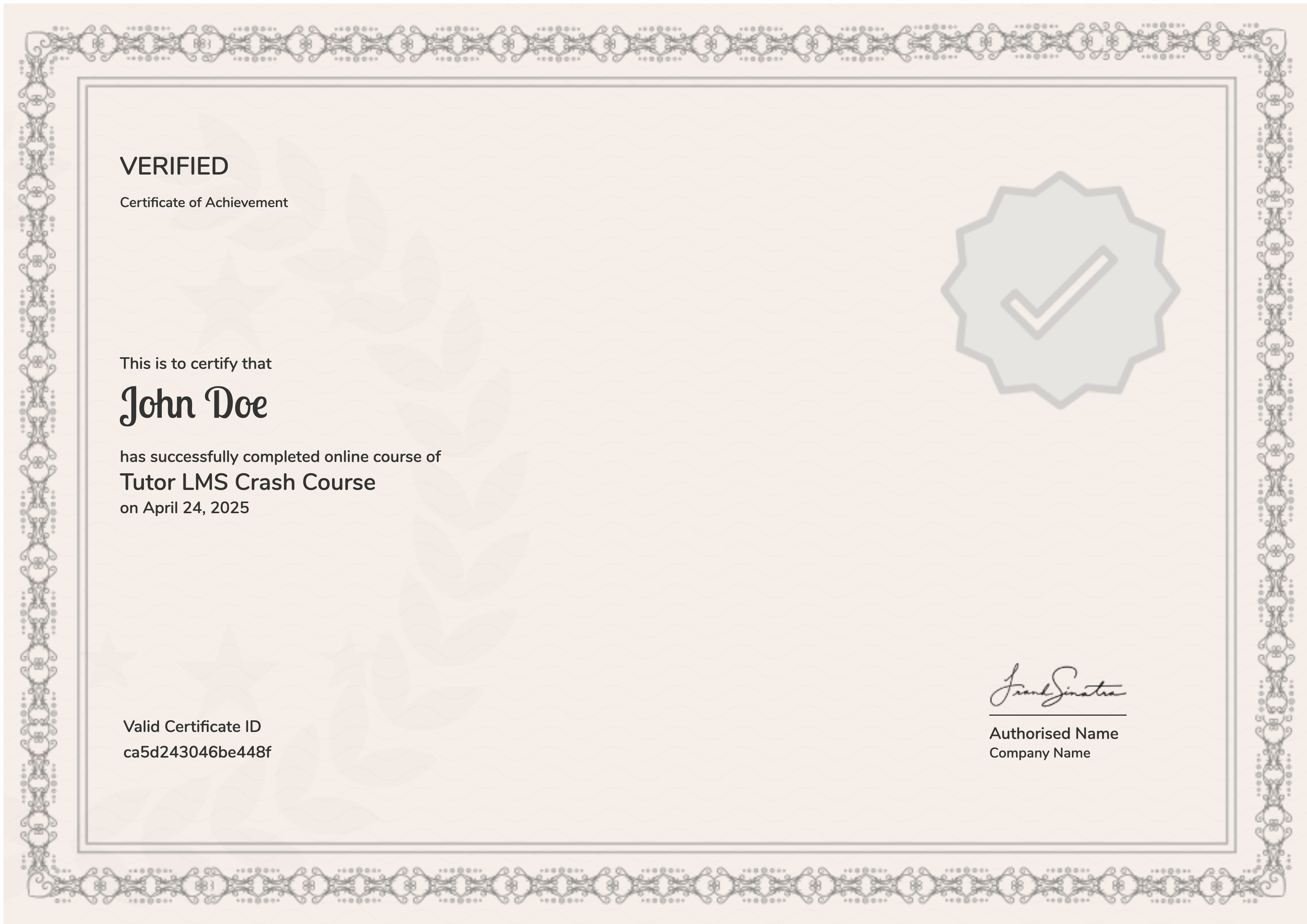
Earn a Valuable Course Completion Certificate
Add this certificate to your resume to demonstrate your skills & increase your chances of getting noticed.
Student Ratings & Reviews

No Review Yet